
Nutrition
3 Tips for A Healthier Plate

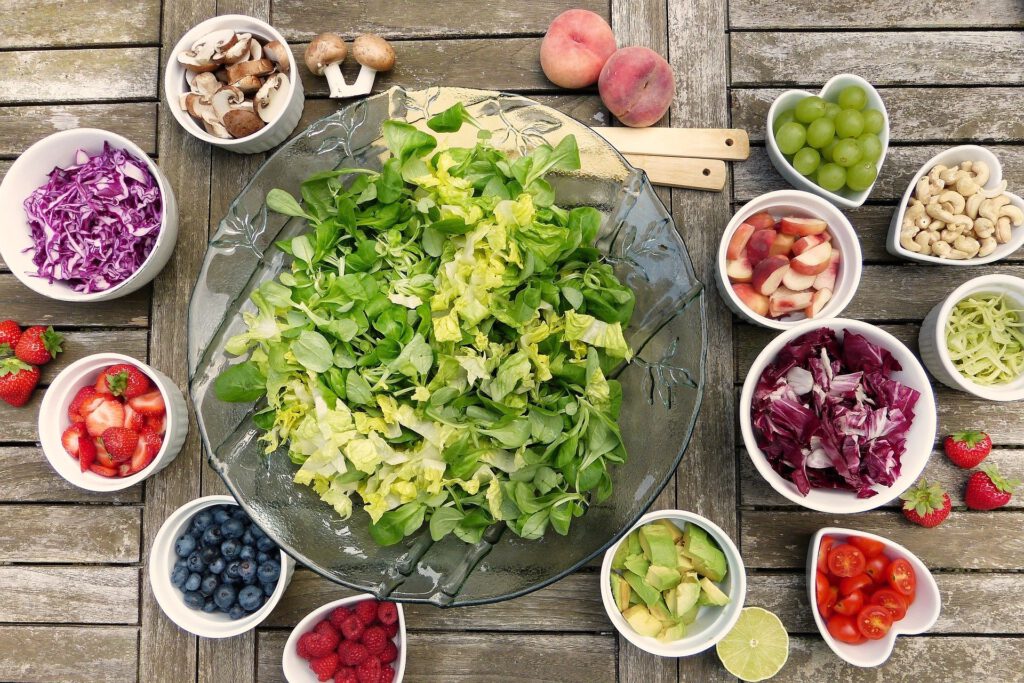
Your environment influences your ability to manage your diabetes. Willpower alone isn’t enough if temptation crosses your path over and over again. Follow these three simple steps to enjoy foods you like without breaking your meal plan.
Step 1: Keep off-limit food off your plate.
Clean out your refrigerator and get rid of snacks that can ruin your meal plan. Also take a look at fast-food temptations. Is walking by the fried food vendor a tough challenge? Take another route instead of testing your resolve with that aroma.
Step 2: Rate your plate.
Cutting down on your portions could be one of the biggest keys to losing weight and keeping it off.
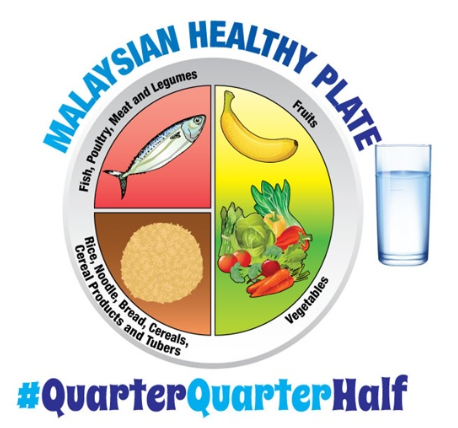
Mentally divide your plate into four equal sections.
- 1/4 of your plate should be filled with grains or starchy foods: rice, pasta, potatoes, corn or peas.
- Another 1/4 should be protein: meat, fish, poultry or tofu.
- Fill the remaining half with non-starchy vegetables: any leafy vegetables, broccoli, cucumbers, tomatoes or sprouts.
You may need to count the carbs or exchanges to be sure your insulin is on target, but rating your plate will get you started.
Step 3: Give your plate a makeover.
Reinvent each meal by tweaking your favorite recipes with healthy and delicious ingredients. Fill that bare spot on your plate with sliced tomatoes, baby carrots, a small bunch of grapes or apple slices. Add thin apple slices to homemade turkey sandwiches, or try toasted walnuts and dried cranberries in cooked brown rice.
References:
- Pinggan Sihat Malaysia retrieved from http://www.moh.gov.my/english.php/pages/view/198 on 10 Dec 2017
Article by:

Latest Health Info
Prediabetes in Malaysia: Risk Factors, Tests and What to Do Next
Quick answer Prediabetes means your blood sugar is higher than normal but not yet in the diabetes range. It often ...
Stress, Diet, and Their Effects on Women’s Health
Quick answer Chronic stress can affect women’s mood, sleep, digestion, appetite and menstrual patterns. Stress can also influence eating habits. ...
Managing Stress in Everyday Life: Practical Ways to Cope
Key takeaways Quick answer: Everyday stress is a normal response to challenging situations, but persistent or long-term stress can affect ...