What is Tuberculosis (TB)?
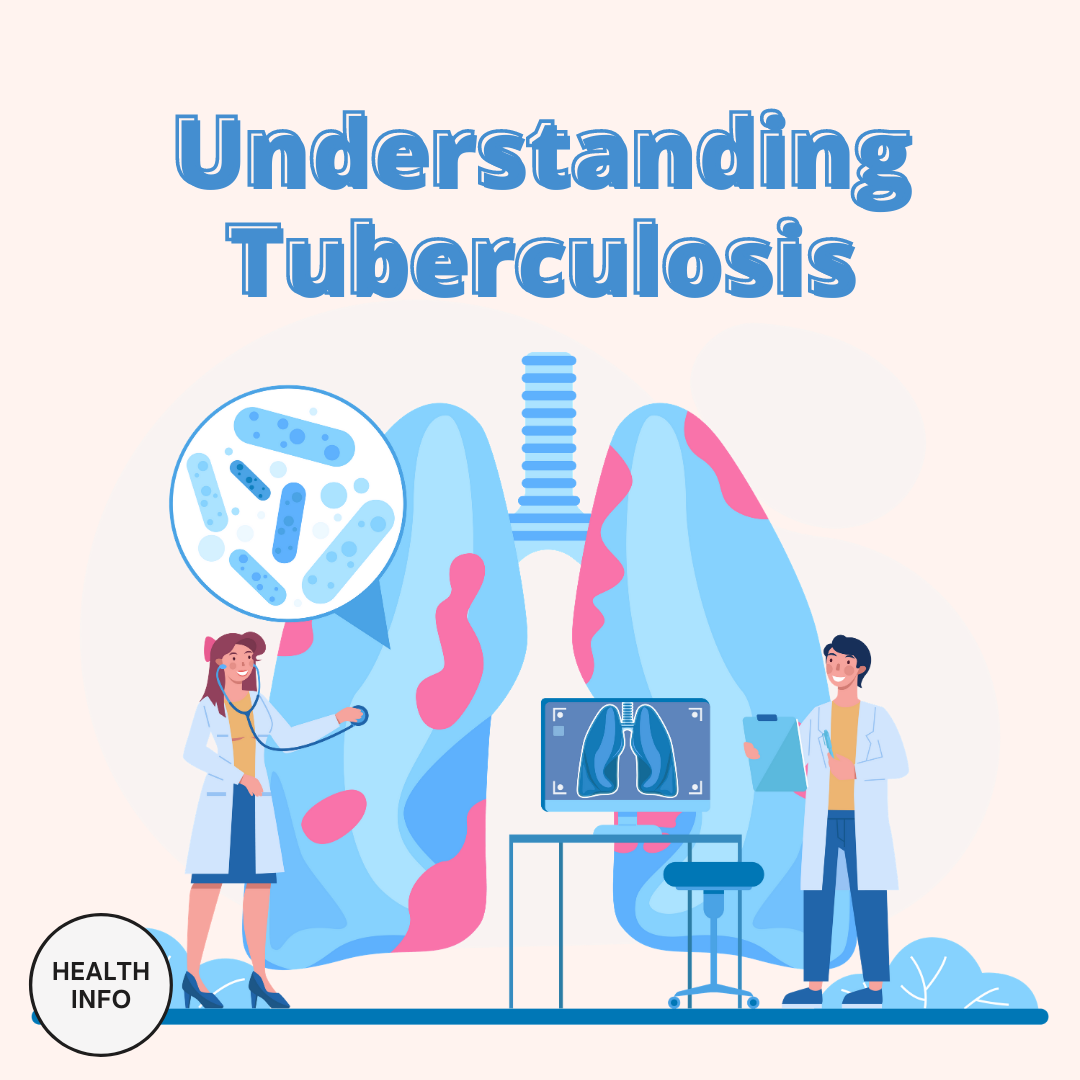
Tuberculosis (also known as TB) is an infectious disease caused by the bacterium Mycobacterium tuberculosis. It is an airborne disease that is spread when a person with TB coughs, sneezes or spits. Healthy individuals who come into close contact and breathe in these airborne particles may become infected¹.
Tuberculosis can be categorised into two types, namely, ‘Active TB’ and ‘Latent TB’. The differences between these two can be explained in the following table2,3.
| Active TB | Latent TB |
| Individuals with Active TB normally exhibit symptoms. | Symptoms are not present in Latent TB. |
| A person with Active TB can spread the bacteria through small air droplets if they cough, sneeze or spit. | Latent TB is usually non-contagious and inactive. Thus, those who have this type of TB are unable to spread the infection to others. |
| Treatment is needed. Otherwise, the disease can worsen. | Treatment is still required to prevent further development to Active TB. |
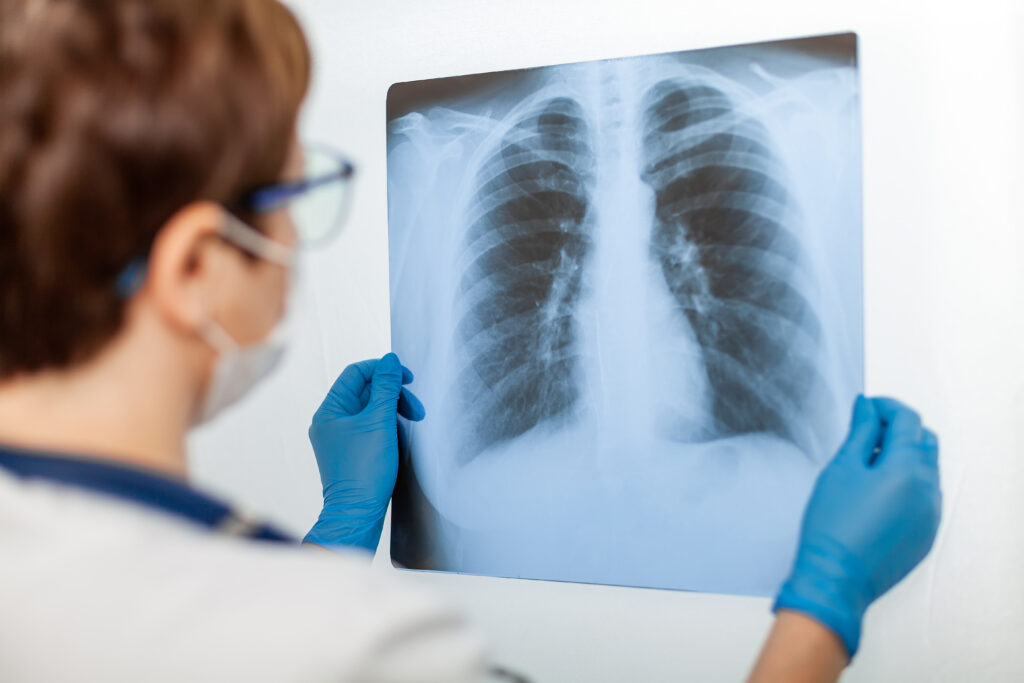
While TB primarily affects the lungs, the bacteria can also spread via the bloodstream to other organs, such as the kidneys, lymph nodes, bones and brain2,3.
What are the Symptoms of Tuberculosis?3,4
Symptoms of TB may develop slowly over time. Some of these symptoms include:
- A cough that lasts for more than 3 weeks.
- Coughing up sputum (phlegm) or sputum with blood.
- Chest pain.
- Experiencing fever or night sweats.
- Unexplained weight loss (without any changes in the diet or exercise routine).
- Loss of appetite.
- Ongoing fatigue or exhaustion.
- Children who have difficulty gaining weight.
Should you experience the aforementioned symptoms, kindly seek medical advice to allow for the next course of action.
Who is at Risk of Developing Tuberculosis?2,4
Some individuals may be at a higher risk of developing TB than others. The chances are high:
- When a person is in close contact or has recently spent time with someone infected with TB.
- Among those who reside in crowded environments (e.g. homeless shelters, prisons or jails).
- Among individuals who work or live in settings where there is a high likelihood of TB transmission, such as hospitals or nursing homes.
- In individuals with weakened immune systems due to certain treatments or medical conditions, such as diabetes, cancer or HIV.
- Among people who smoke.
- Among individuals who consume alcohol frequently.
If you fall into any of the groups above, you may consider seeking a doctor’s opinion on getting proper screening done.
Conclusion
The first step in managing tuberculosis is awareness. With the right information and knowledge, appropriate action can be taken to ensure early diagnosis and successful treatment. You may speak to your healthcare provider for more information or further clarification.
References
- World Health Organization. Tuberculosis [Internet]. Geneva: World Health Organization; [cited 2026 Mar 2]. Available from: https://www.who.int/health-topics/tuberculosis#tab=tab_1.
- American Lung Association. Learn about tuberculosis [Internet]. Chicago (IL): American Lung Association; [cited 2026 Mar 2]. Available from: https://www.lung.org/lung-health-diseases/lung-disease-lookup/tuberculosis/learn-about-tuberculosis
- National Health Service (NHS). Tuberculosis (TB) [Internet]. UK: NHS; [cited 2026 Mar 2]. Available from: https://www.nhs.uk/conditions/tuberculosis-tb/
World Health Organization. Tuberculosis [Internet]. Geneva: World Health Organization; 2025 Nov 13 [cited 2026 Mar 2]. Available from: https://www.who.int/news-room/fact-sheets/detail/tuberculosis
Tags
Latest Health Info
Nutrition in Pregnancy: Fueling Two Lives for a Healthy Future
Pregnancy is a transformative experience that requires extra care when it comes to nutrition. The development of the baby depends ...
Vitamin D: Helping Kids Stay Healthy
Vitamin D is an important nutrient that supports children’s growth and overall health. It helps the body absorb calcium and ...
Stress, Diet, and Their Effects on Women’s Health
In Malaysia, many women face high levels of stress from work demands, family responsibilities (childcare and elderly care), and financial ...